How the App Calculates Your Baby's Sleep Schedule
 Category Category | App |
|---|
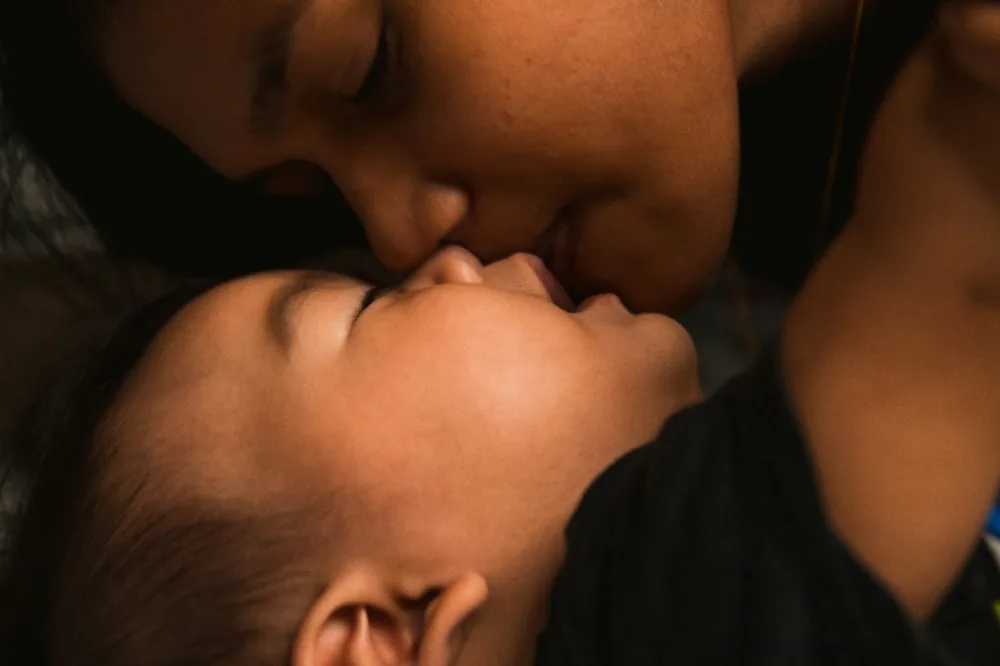
The sleep schedule helps you build a rhythm of sleep and awake time that works for your baby throughout the day.
The app considers your baby's age, their set nighttime sleep schedule, and the number of naps they take. Sleep tracker entries help the schedule adjust flexibly to your child's actual rhythm.


sprouty
Sleep, feeding, and milestones in one app



How the sleep schedule works
The schedule updates throughout the day based on every sleep entry.
When a sleep starts and ends, the app recalculates the rest of the day.
When there is not enough data yet, the app uses age-based sleep recommendations.
The schedule suggests suitable times for sleep, but it remains a guide rather than a rigid timetable.
What information does the app use?
The schedule is based on:
- your child's age;
- the nighttime sleep schedule you set;
- the number of naps your child takes;
- sleep and wake-up entries.
The app uses this information to calculate the next nap, the remaining naps that day, and the expected start of nighttime sleep.
When you track settling time, the app also suggests when to begin preparing your baby for sleep.
Why does the schedule change throughout the day?
Your baby may fall asleep earlier or later than expected, and a sleep may be shorter or longer. When this happens, the best time for the next sleep changes too.
After every sleep, the app recalculates:
- the next nap;
- the remaining naps;
- nighttime sleep;
- settling time, when you track it.
This means the schedule reflects not only age-based sleep recommendations, but also how your baby's sleep rhythm is actually unfolding.
As the next predicted sleep approaches, you can gradually wind down active play, head home from a walk, or switch to calmer activities. The app will remind you ahead of time, so you can prepare for sleep without rushing.
Why does the schedule update as soon as a sleep begins?
When you tap Start Sleep, the app immediately updates the schedule for the rest of the day.
When sleep is started from the schedule card, the sleep begins from the moment you tap Start Sleep.
The app also estimates how long the sleep may last, whether you start the timer manually or from the sleep schedule. Once your baby wakes up, the schedule updates again using the actual sleep duration.
What happens after nighttime sleep?
When you end the nighttime sleep entry, the app recalculates the full plan for the day:
- the next nap;
- the remaining naps;
- nighttime sleep;
- settling time, when you track it.
This allows the schedule to take both the morning wake-up time and the length of nighttime sleep into account.
What happens when there is not enough data yet?
When you first start using the feature, the app may not have many sleep entries for your baby.
In this case, the schedule is calculated using age-based recommendations for sleep and awake time. You can therefore start using it straight away, even before you have added many tracker entries.
As you add more entries, the app can reflect your child's actual rhythm and calculate the rest of the day more accurately.
Why does the app ask how many naps your child takes?
Children of the same age may have different sleep patterns. For example, one baby may still need three naps, while another is already comfortable with two.
That is why the app asks how many naps your child currently takes and uses this information when calculating the schedule.
When the number of naps changes, you can update it in Settings. The app will then recalculate the schedule to reflect the new rhythm.
How does the schedule adjust to changes in your baby's rhythm?
When your baby's usual rhythm begins to change, the app will not suddenly move nighttime sleep by one or two hours.
Instead, the expected start of nighttime sleep shifts gradually—by around 10–15 minutes per day. Naps are calculated from the actual wake-up time and gradually adjust to the new nighttime rhythm.
When you track settling time, it updates together with the corresponding sleep.
What happens with inaccurate entries?
Sometimes a timer is left running for too long, or an inaccurate entry appears in the tracker.
To prevent one mistake from changing the entire schedule, the app:
- sends a reminder when a timer has been running unusually long;
- excludes entries that may be inaccurate;
- does not assume a sleep was skipped simply because no entry was added.
Calculated sleep and settling times are shown in 10-minute increments. The minimum nap length used in the schedule depends on your baby's age:
- at 2–3 months — 20 minutes;
- from 4 months — 30 minutes.
If the final nap would be shorter than this, the app adjusts the schedule.
Why might the schedule differ from your baby's actual sleep?
Even the most accurate schedule cannot predict everything that may affect your baby's sleep.
Their rhythm may temporarily change because of:
- how they are feeling;
- teething;
- learning new skills;
- travel or a change of environment;
- an especially busy day;
- changes to the family's usual routine.
When your baby becomes tired earlier, you can put them to sleep before the suggested time. If they are still calm and alert, sleep can be shifted a little later.
Pay attention to how your child is feeling. Lower activity, fussiness, losing interest in play, or wanting to be held may all be signs that it is time to rest.
The schedule helps you build a comfortable rhythm of sleep and awake time while staying flexible. Use both the app's suggestions and your baby's cues.
With care
Our articles are based on evidence-based medicine and reviewed by pediatricians. However, they do not replace a consultation with your doctor. Every child is unique — if you have any concerns, please consult a medical professional.
sprouty
Sleep, feeding, and milestones in one app
Sources
- Paruthi, S., Brooks, L. J., D'Ambrosio, C., et al. (2016). Recommended Amount of Sleep for Pediatric Populations: A Consensus Statement of the American Academy of Sleep Medicine. Journal of Clinical Sleep Medicine, 12(6), 785–786. https://doi.org/10.5664/jcsm.5866
- Hirshkowitz, M., Whiton, K., Albert, S. M., et al. (2015). National Sleep Foundation's Sleep Time Duration Recommendations: Methodology and Results Summary. Sleep Health, 1(1), 40–43. https://doi.org/10.1016/j.sleh.2014.12.010
- World Health Organization. (2019). Guidelines on Physical Activity, Sedentary Behaviour and Sleep for Children Under 5 Years of Age. https://www.who.int/publications/i/item/9789241550536
- Galland, B. C., Taylor, B. J., Elder, D. E., & Herbison, P. (2012). Normal Sleep Patterns in Infants and Children: A Systematic Review of Observational Studies. Sleep Medicine Reviews, 16(3), 213–222. https://doi.org/10.1016/j.smrv.2011.06.001
- Bruni, O., Baumgartner, E., Sette, S., et al. (2014). Longitudinal Study of Sleep Behavior in Normal Infants During the First Year of Life. Journal of Clinical Sleep Medicine, 10(10), 1119–1127. https://doi.org/10.5664/jcsm.4114
- Mindell, J. A., Leichman, E. S., Composto, J., Lee, C., Bhullar, B., & Walters, R. M. (2016). Development of Infant and Toddler Sleep Patterns: Real-World Data from a Mobile Application. Journal of Sleep Research, 25(5), 508–516. https://doi.org/10.1111/jsr.12414
- Bathory, E., & Tomopoulos, S. (2017). Sleep Regulation, Physiology and Development, Sleep Duration and Patterns, and Sleep Hygiene in Infants, Toddlers, and Preschool-Age Children. Current Problems in Pediatric and Adolescent Health Care, 47(2), 29–42. https://doi.org/10.1016/j.cppeds.2016.12.001
- Kok, E. Y., Kaur, S., Mohd Shukri, N. H., et al. (2025). The Role of Light Exposure in Infant Circadian Rhythm Establishment: A Scoping Review Perspective. European Journal of Pediatrics, 184, 112. https://doi.org/10.1007/s00431-024-05951-3