What Happens to Your Baby During the Seventh Baby Leap
 Category Category | Baby leaps |
|---|


Medically reviewed by pediatrician Alexandra Zglavosiy
During the seventh baby leap, your baby starts acting with purpose and in order. They imitate simple adult routines, feed a doll, press buttons, and begin to understand how one thing leads to another. You’ll notice more willpower, independence, and interest in “real” activities.


sprouty
Sleep, feeding, and milestones in one app



Quick takeaways
- The seventh baby leap occurs around weeks 42–46 of life.
- Your baby starts to see actions as sequences: first do one thing, then the next.
- Early pretend play emerges — feeding a doll, covering a toy with a blanket.
- An understanding of cause and effect appears: press a button — music plays.
- There are more attempts at independence: protests, willpower, making choices.
The world of sequences
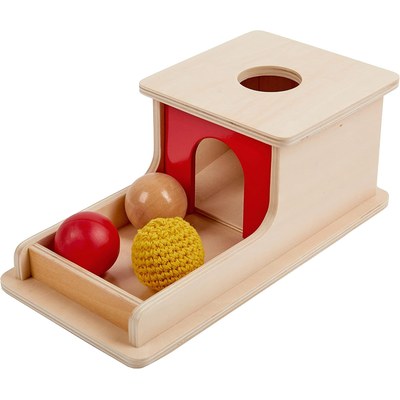
The seventh baby leap is known as the “sequence crisis.” Your baby starts understanding actions as part of a chain — for example: take a ball, put it in a box, close the lid. They may begin repeating short action chains observed in adults.
This is a major cognitive leap — the brain learns not just to react but to create order and links

Early pretend play
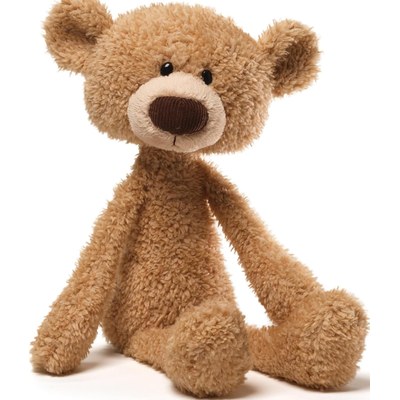
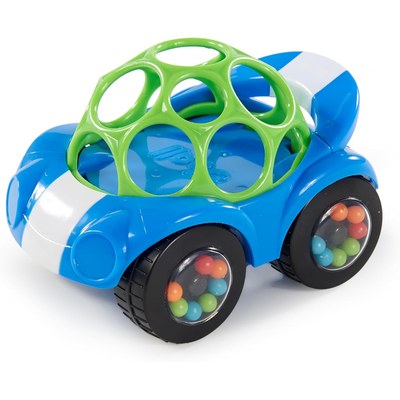
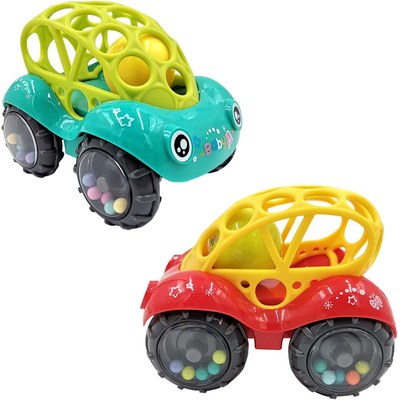
At this age, babies begin to imitate not just actions but intentions. They may feed a teddy bear, tuck in a doll, or push a toy car. These first role-play moments are the beginning of imagination and storytelling.



Cause and effect
Your baby starts to understand how their actions create outcomes: throw a toy — it falls; press a button — the light turns on.
This opens up many learning opportunities — and explains why babies often repeat the same action over and over: they’re testing how the world works.
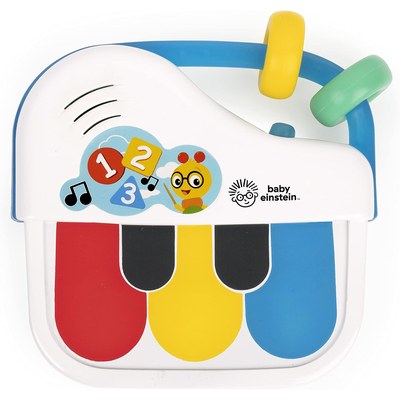
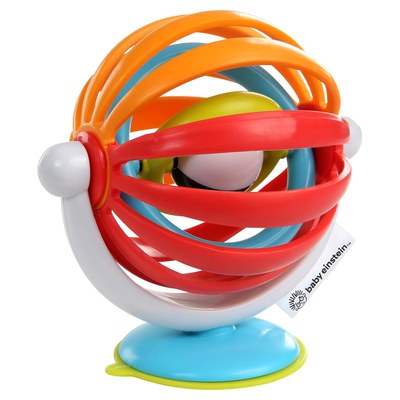
“I can do it!”
A strong drive for independence appears. Your baby may push away a spoon, insist on choosing a toy, or protest while dressing. This is normal — they’re exploring being separate from you and taking early steps toward self-regulation.
Sleep and mood challenges
As with other baby leaps, there may be temporary regressions in sleep, fussiness, or heightened anxiety.
The best support you can offer is to stay close, keep the routine, and remember: it’s a temporary shift in your baby’s brain.
Frequently asked questions about the seventh baby leap
When does the seventh baby leap happen?
The seventh baby leap usually occurs around 42–46 weeks of life, when a baby begins to understand sequences of actions and how events are connected. During this stage, the child perceives the world in a more structured way and starts recognizing that one action can lead to another. This is an important cognitive milestone
What new skills appear during the seventh baby leap?
New skills often appear: the baby begins repeating simple action chains and engages in early pretend play. They may feed a doll, put a toy to sleep, close containers, or imitate adult routines. These abilities reflect growing memory, imitation skills, and cognitive development
How can I support my baby during the seventh baby leap?
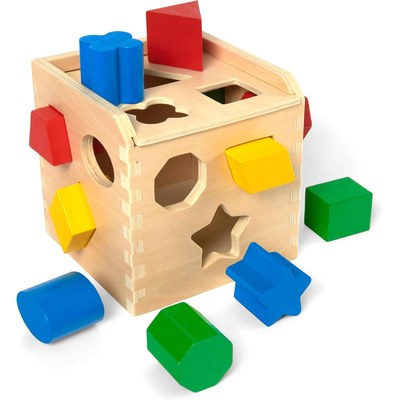
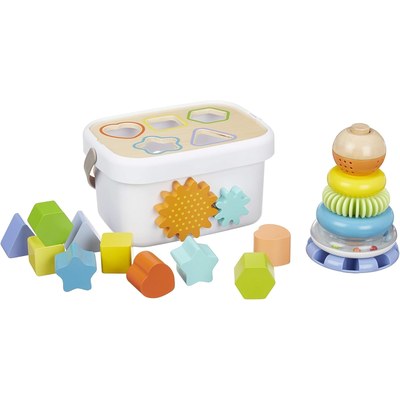
It is helpful to provide opportunities for independent play and repetition of simple actions. Toys with buttons, sorting boxes, and container activities are useful, as well as guided play with adults demonstrating sequences. This supports understanding of cause and effect and strengthens learning motivation
Why is my baby protesting more and sleeping worse?
This is often related to a growing desire for independence and the formation of personal preferences. The baby becomes more aware of their own wishes and expresses them more strongly, which can lead to protest behavior. Temporary sleep and mood changes are also linked to rapid brain and cognitive development
With care
Our articles are based on evidence-based medicine and reviewed by pediatricians. However, they do not replace a consultation with your doctor. Every child is unique — if you have any concerns, please consult a medical professional.
sprouty
Sleep, feeding, and milestones in one app
Sources
- Plooij FX, van de Rijt-Plooij H. The Wonder Weeks: How to Stimulate Your Baby's Mental Development and Help Him Turn His 10 Predictable, Great, Fussy Phases into Magical Leaps Forward. Kiddy World Publishing; 2017. ISBN: 978-9491882166
- Child growth standards, WHO, https://www.who.int/tools/child-growth-standards/standards. Accessed 7 May 2026.
- 12 month developmental milestones, UK National Health Service, https://www.cambspborochildrenshealth.nhs.uk/child-development-and-growing-up/milestones/12-months/. Accessed 7 May 2026.
- National Research Council (US) and Institute of Medicine (US) Committee on Integrating the Science of Early Childhood Development. From Neurons to Neighborhoods: The Science of Early Childhood Development. Shonkoff JP, Phillips DA, editors. Washington (DC): National Academies Press (US); 2000. PMID: 25077268. https://pubmed.ncbi.nlm.nih.gov/25077268/. Accessed 7 May 2026.
- and de Onis, M. (2006), WHO Motor Development Study: Windows of achievement for six gross motor development milestones. Acta Pædiatrica, 95: 86-95. https://doi.org/10.1111/j.1651-2227.2006.tb02379.x. Accessed 7 May 2026.
- CDC’s Developmental Milestones, U.S. Centers for disease control and prevention, https://www.cdc.gov/ncbddd/actearly/milestones/index.html. Accessed 7 May 2026.
- Toddler Developmental Milestones & Safety, Cleveland Clinic, https://my.clevelandclinic.org/health/articles/22625-toddler-developmental-milestones--safety. Accessed 7 May 2026.
- Misirliyan SS, Boehning AP, Shah M. Development Milestones. 2023 Mar 16. In: StatPearls [Internet]. Treasure Island (FL): StatPearls Publishing; 2025 Jan–. PMID: 32491450. https://pubmed.ncbi.nlm.nih.gov/32491450/. Accessed 7 May 2026.
Disclosure: Some links point to products we genuinely find helpful for this topic. If you buy through them, we may earn a small commission — at no extra cost to you.