What Happens to Your Baby During the Tenth Baby Leap
 Category Category | Baby leaps |
|---|

Medically reviewed by pediatrician Alexandra Zglavosiy
The tenth baby leap is an important milestone that completes the cycle of early baby leaps. At this stage, your child begins to see their place in the world in a new way: as an individual, a member of the family, and a participant in social interactions. This baby leap is connected with belonging, emotions, and the first more stable social roles. Your child develops a need for rules while also wanting to test them. Their behavior becomes more complex, but it also begins to follow a clearer logic.

sprouty
Sleep, feeding, and milestones in one app



Quick takeaways
- The tenth baby leap usually happens around weeks 71–75 of your child's life, at about 1.5 years.
- A stronger sense of belonging and social connection begins to develop.
- Your child uses gestures, words, and tone of voice to express thoughts and emotions.
- They actively test boundaries and watch how their parents respond.
- Temporary sleep disruptions, anxiety, mood changes, and changes in appetite may occur.
Who I am and where I belong
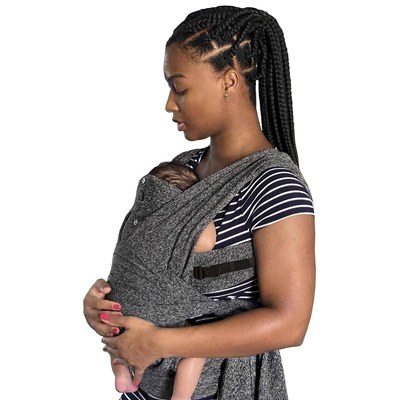
Your child begins to develop a sense of belonging — to their family, home, favorite adults, and the places where they feel safe and accepted.
This can bring new emotions. Your child may feel unsure around unfamiliar people, protest when Mom leaves, seek more closeness, or return to wanting more physical contact. They cannot yet explain these feelings in words, so they may become tearful, fussy, or especially affectionate, sometimes for no obvious reason.

Testing boundaries
Your child begins to test limits. They may deliberately throw a spoon, look directly at an adult after hearing "no," or press a button they have been told not to touch.
This is one way of learning how the social world works. In a sense, your child is asking: "What happens if I do this? Will you still stay with me? Do you still love me when I break a rule?"
Emotions: complex and real
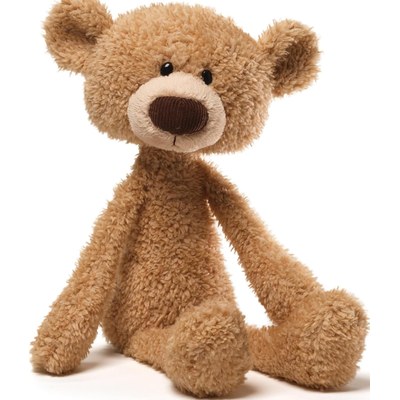
Your child's emotional world becomes deeper. They may show sympathy by stroking a doll or trying to comfort another child. Jealousy and hurt feelings may also appear, for example if Mom picks up another baby. Temporary regressions are possible: your child may want to nurse more often, become fussier, or refuse to fall asleep alone.
This is a stage when emotional resilience begins to develop and your child learns to understand both their own feelings and those of others.
Communication: words and gestures
Your child uses gestures with clear meaning: shaking their head, clapping, or reaching out a hand. They may begin combining two words, such as "Mommy, give" or "come here." They also imitate adult expressions and intonation, such as "oh," "uh-oh," or familiar bedtime sounds.
Gestures, words, and emotions begin to come together into an early communication system — the foundation for future language development.
Play and symbols
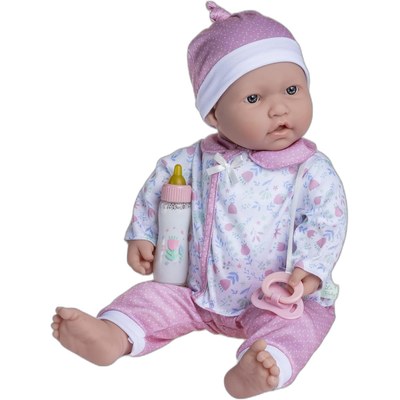
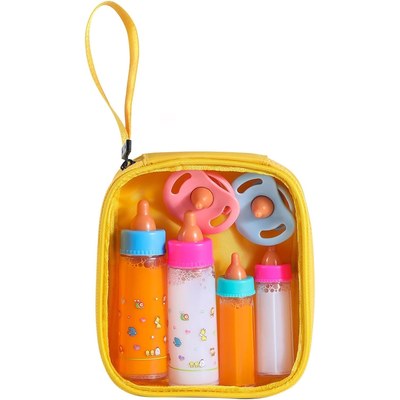
Play becomes more role-based and ritualized. Your child does not simply feed a doll — they begin acting out the situation as if it were real. They may make scribbles and give them names, calling them a "house" or "Daddy." One object can stand for another: a cup becomes a phone, or a blanket becomes a cape.
This is an important milestone in the development of symbolic thinking.



Physical development
Your child walks more confidently and may begin to run or climb stairs while holding on for support. They can eat with a spoon and drink from a cup, although spills are still common. They may take off their socks or hat and begin helping while getting dressed. Movements become more precise and intentional as your child better understands what they are doing.
Possible challenges
Sleep may change, with more frequent waking or protests at bedtime. Your child may eat less or become more selective about food. Familiar habits may temporarily regress: they may want to be carried more often or refuse to fall asleep alone. Their mood may shift quickly from affectionate to intensely upset.
These changes are common. Your child is reorganizing new emotional and social connections. The most helpful thing an adult can do is maintain familiar routines and stay close.
How to support your child
- Reassure them of your closeness: "I'm here," "You matter," or "I love you," even when they are misbehaving or crying.
- Name their feelings: "You're angry," "You feel sad," or "You want to do it yourself."
- Keep rules clear and consistent — your child relies on their predictability.
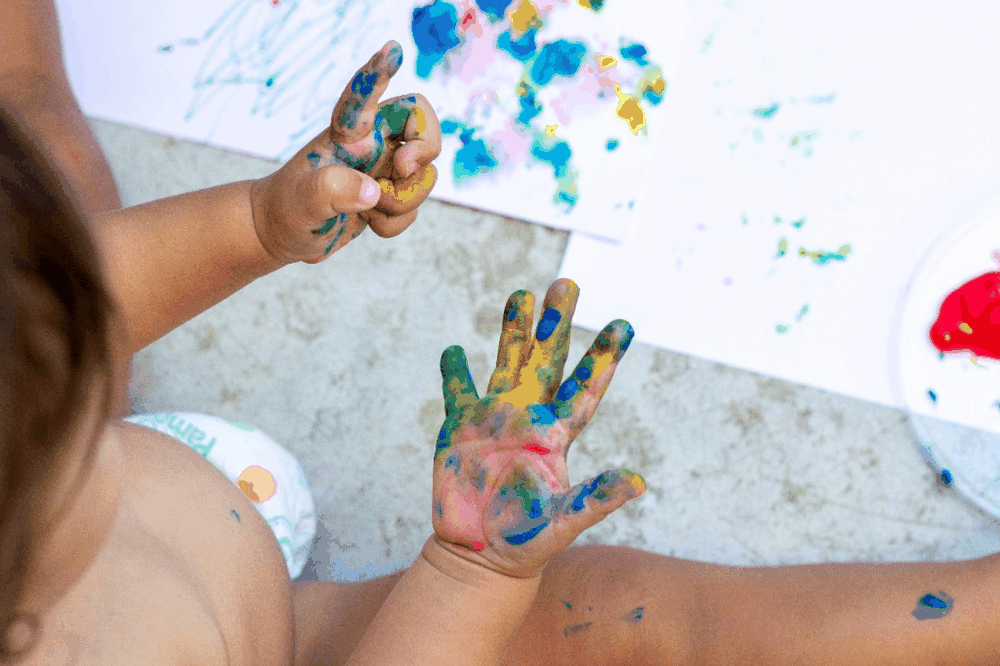
- Create space for role play and self-expression through drawing, dolls, water play, and similar activities.
- Maintain familiar sleep and mealtime routines, even if they temporarily become more difficult.
What comes next
The tenth baby leap is the last in the series of early baby leaps. After it, your child enters a new stage: early childhood. Development usually becomes more gradual, without the same sharp regressions, but the changes become deeper. Language, self-regulation, and an understanding of social rules continue to develop.
It is important for parents to follow changes in language and behavior, maintain emotional connection, and notice how their child is learning to be themselves around other people.
Frequently asked questions about the tenth baby leap
When does the tenth baby leap happen?
The tenth baby leap usually occurs around weeks 71–75 of your child's life, at about 1.5 years. Some children may experience it a little earlier or later. The most noticeable changes often last for several days
What new skills appear during the tenth baby leap?
Children often develop a stronger sense of belonging, deeper emotions and empathy, role play, symbolic thinking, and more intentional communication through gestures, words, and early phrases. Your child may also test rules more actively and watch how adults respond
How can I support my child during the tenth baby leap?
Emotional closeness, naming feelings, consistent rules, and calm routines can help. Give your child opportunities for role play and safe independence — this helps them learn both trust and boundaries
Why is my child testing boundaries and becoming more emotional?
This is part of learning about the social world and developing a deeper emotional life. Your child is learning to understand relationships, rules, and their own feelings, so they may protest more often, show jealousy, or experience temporary sleep regressions. These reactions usually ease as the new skills become more familiar
With care
Our articles are based on evidence-based medicine and reviewed by pediatricians. However, they do not replace a consultation with your doctor. Every child is unique — if you have any concerns, please consult a medical professional.
sprouty
Sleep, feeding, and milestones in one app
Sources
- Plooij FX, van de Rijt H. The Wonder Weeks: How to Stimulate Your Baby's Mental Development. Kiddy World Publishing; 2017. ISBN: 978-9491882166
- National Research Council. From Neurons to Neighborhoods: The Science of Early Childhood Development. Washington (DC): National Academies Press (US); 2000. PMID: 25077268
- WHO Motor Milestones Study: https://doi.org/10.1111/j.1651-2227.2006.tb02379.x
- CDC Developmental Milestones: https://www.cdc.gov/ncbddd/actearly/milestones/index.html
- Misirliyan SS, Boehning AP, Shah M. Development Milestones. StatPearls. 2023. PMID: 32491450
- WHO Child Growth Standards: https://www.who.int/tools/child-growth-standards
Disclosure: Some links point to products we genuinely find helpful for this topic. If you buy through them, we may earn a small commission — at no extra cost to you.