What Happens to Your Baby During the Eighth Baby Leap
 Category Category | Baby leaps |
|---|


Medically reviewed by pediatrician Alexandra Zglavosiy
The eighth baby leap is a time when your baby begins to discover an inner world of emotions, goals, and symbols. For the first time, they are not simply acting — they are becoming aware of what they want, starting to understand other people's feelings, and using their imagination. This baby leap lays the groundwork for empathy, pretend play, and early self-reflection.


sprouty
Sleep, feeding, and milestones in one app



Quick takeaways
- The eighth baby leap usually happens around weeks 51–54 of your baby's life, or at about 12 months.
- Your baby becomes more aware of what they want and begins trying to make it happen.
- Early empathy emerges as they notice and respond emotionally to other people's feelings.
- Symbolic thinking develops, allowing objects to represent something else.
- Early pretend play and more intentional communication begin to appear.
- Your baby may become fussier or more anxious, sleep differently, or temporarily eat less.
A world of wants and first emotions
Your baby begins to want things more intentionally. They do not simply reach out anymore — they know what they want and begin taking action to get it. This is the beginning of goal-directed behavior: "I want the ball," "I want Mom," or "I want to do what the grown-up is doing." The desire forms inside, then leads to an outward action.
At the same time, your baby becomes more attuned to the emotions of those around them. They may stroke Mom when she looks sad, smile back at someone who smiles, or become upset when another child cries. These are the first signs of empathy — a key skill for future social relationships.
Symbols, imagination, and play
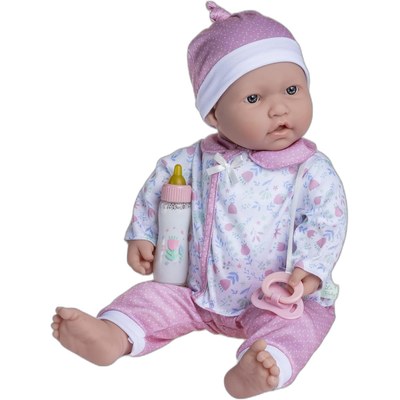
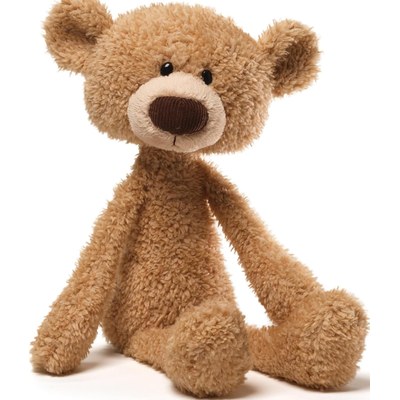
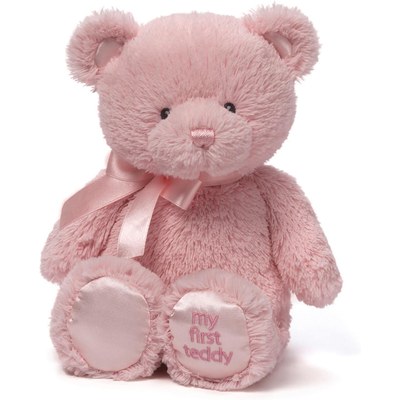
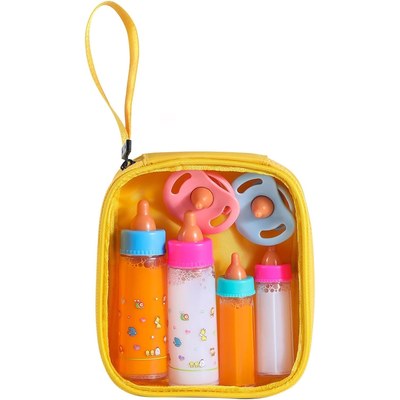
Play becomes more symbolic. A spoon is no longer only a spoon — it can become a "microphone" or a "phone." A doll becomes someone to care for: your baby may feed it, put it to bed, or carry it around. Simple actions begin turning into stories, such as "putting the baby to sleep" or "feeding the doll like Mom does."
This is a sign that imagination and symbolic thinking are developing — an important milestone in your child's cognitive development.


Language as a bridge
Communication reaches a new level. Your baby may begin using their first meaningful words, such as "mama," "up," or "give." They use language to influence what is happening and increasingly express their wants and emotions through gestures and tone of voice.
This is no longer only spontaneous babbling. Language is becoming a tool for social interaction.
Behavior and mood
Your baby may become more sensitive to separation, ask to be held more often, and seek extra reassurance. They may also protest more strongly when they hear "no" because they now understand what they want but cannot always get it.
As your baby adjusts to these new abilities, temporary sleep disruptions, mood changes, a lower appetite, or a stronger desire to nurse for comfort and closeness may occur.

How to support your child
- Offer more hugs and physical closeness — your baby is learning to understand both their own feelings and those of others.
- Talk about emotions: "You're upset because you couldn't have it" or "You're having fun."
- Play out simple pretend scenarios together, such as cooking, going for a walk, or taking care of a toy.
- Keep routines calm and predictable — your baby's emotional world is becoming more complex.
Frequently asked questions about the eighth baby leap
When does the eighth baby leap happen?
The eighth baby leap usually occurs around weeks 51–54 of your baby's life, at about 12 months. Some children may experience it a little earlier or later. The most noticeable changes often last for several days, during which your baby may be especially sensitive and need more closeness
What new skills appear during the eighth baby leap?
Babies often develop more intentional wants and goals, early empathy, symbolic thinking, and the beginnings of pretend play. Your baby may use objects in imaginative ways, imitate how adults care for others, and increasingly use words and gestures to communicate what they want
How can I support my child during the eighth baby leap?
Extra physical closeness, a calm environment, and predictable routines can help. Name your baby's feelings, play out simple pretend scenarios, and do not rush them toward independence — they are learning to understand both themselves and other people
Why is my baby fussier and sleeping worse?
This may be connected to the rapid development of emotions, imagination, and social understanding. Your baby may react more strongly to limits, ask to be held more often, and temporarily experience changes in sleep or appetite. These changes usually ease as the new skills become more familiar
With care
Our articles are based on evidence-based medicine and reviewed by pediatricians. However, they do not replace a consultation with your doctor. Every child is unique — if you have any concerns, please consult a medical professional.
sprouty
Sleep, feeding, and milestones in one app
Sources
- Plooij FX, van de Rijt H. The Wonder Weeks: How to Stimulate Your Baby's Mental Development. Kiddy World Publishing; 2017. ISBN: 978-9491882166
- National Research Council. From Neurons to Neighborhoods: The Science of Early Childhood Development. Washington (DC): National Academies Press (US); 2000. PMID: 25077268
- WHO Motor Milestones Study: https://doi.org/10.1111/j.1651-2227.2006.tb02379.x
- CDC Developmental Milestones: https://www.cdc.gov/ncbddd/actearly/milestones/index.html
- Misirliyan SS, Boehning AP, Shah M. Development Milestones. StatPearls. 2023. PMID: 32491450
- WHO Child Growth Standards: https://www.who.int/tools/child-growth-standards
Disclosure: Some links point to products we genuinely find helpful for this topic. If you buy through them, we may earn a small commission — at no extra cost to you.